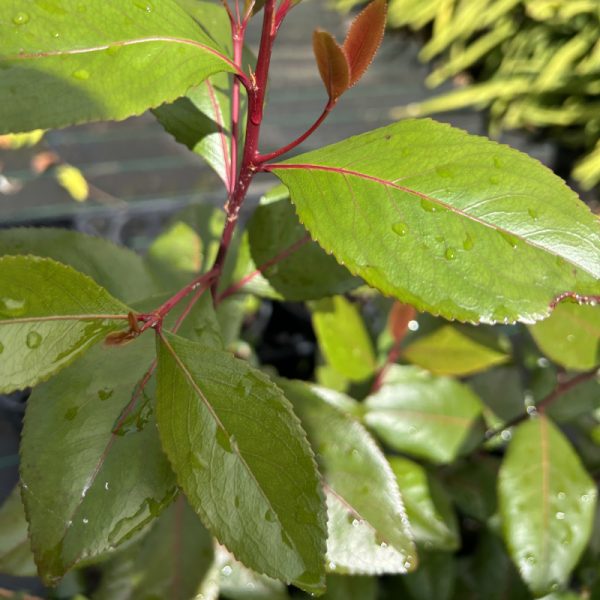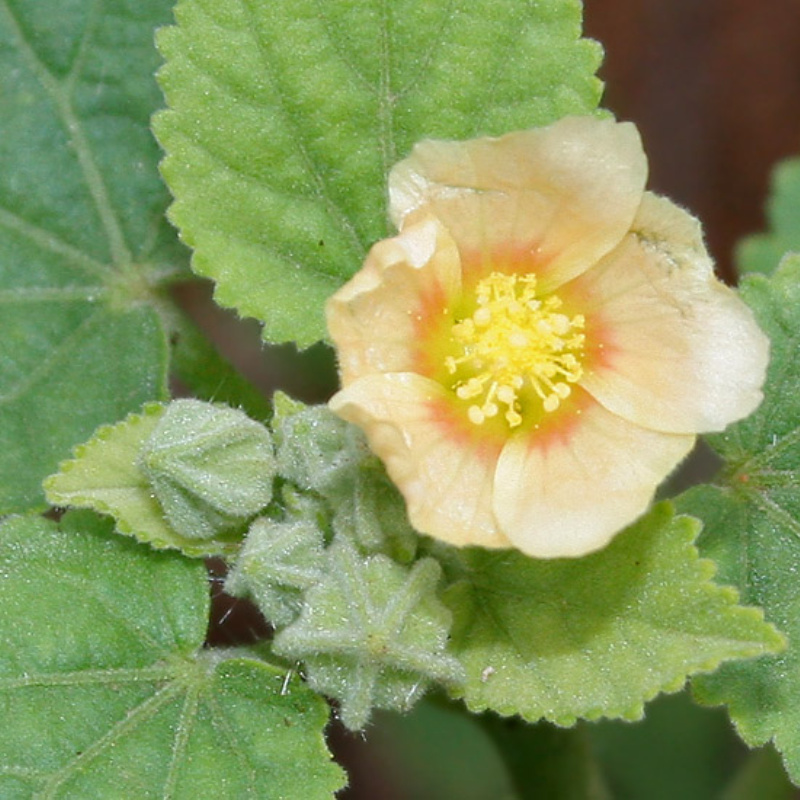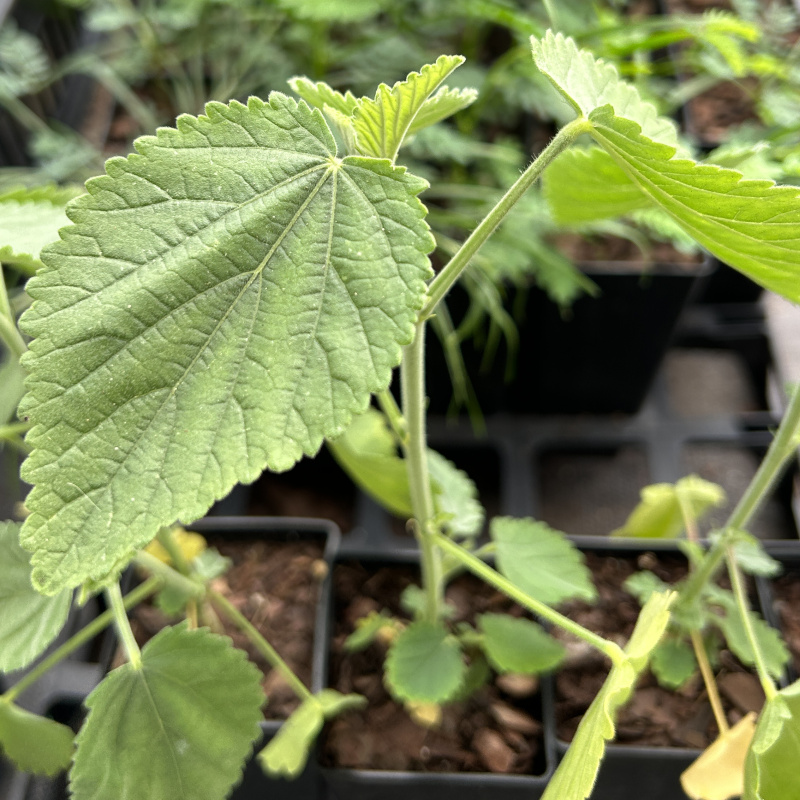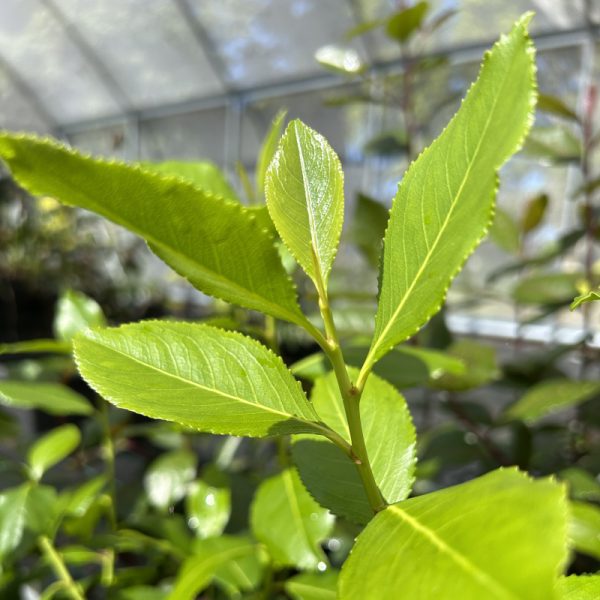
Theobroma cacao (Cacao) Plant
$ 15.54
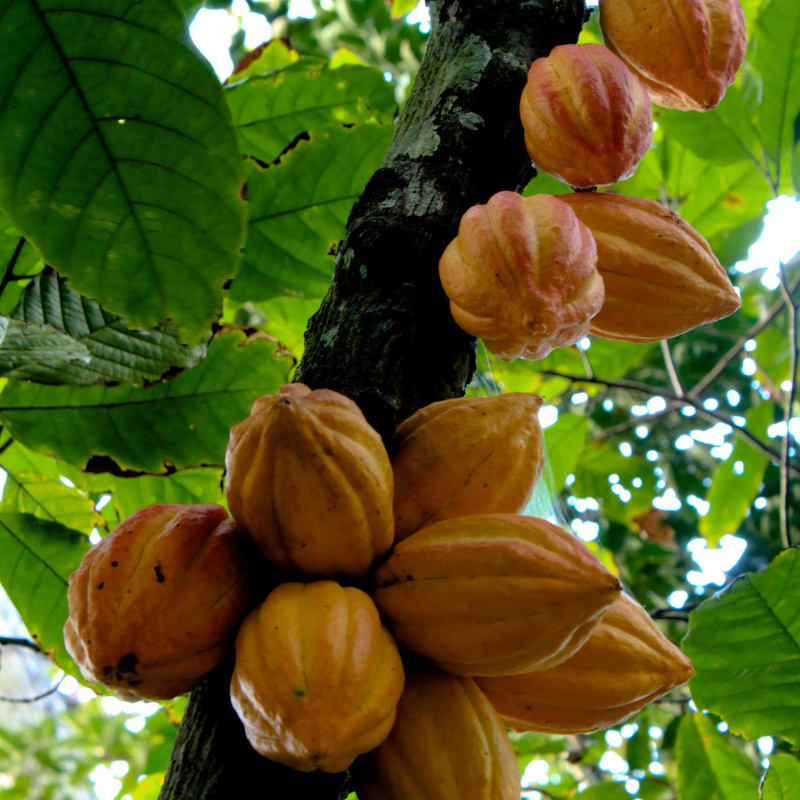
Description Theobroma cacao, known as Cacao or Cocoa, is an evergreen tree native to the tropic Americas. It grows to 4-8 metres in height and produces seeds, known as cocoa beans, which are used to make chocolate liquor, cocoa solids, cocoa butter and chocolate. The flowers are produced in clusters directly on the trunk and older branches. While many of the world’s flowers are pollinated by bees or butterflies/moths, cacao flowers are pollinated by tiny flies called Forcipomyia midges. The fruit, called a cacao pod, is ovoid, 15–30cm long and 8–10cm wide, ripening yellow to orange, and weighing about 500g when ripe. The pod contains 20 to 60 seeds, usually called “beans”, embedded in a white pulp. The seeds are the main ingredient of chocolate. Theobroma cacao trees thrive in hot, rainy tropical climates. They require a constant temperature (21-32°C), high humidity, and abundant rainfall (1,500-2,000 mm annually) Medicinal Benefits Over 100 medicinal uses for cocoa have been documented in Europe and New Spain from the 16th to the early 20th century. It has been used to treat anaemia, mental fatigue, tuberculosis, fever, gout, kidney stones, and even poor sexual appetite. Cacao beans are rich in antioxidants, particularly flavonoids, which have various health benefits. Consumption of cocoa has been linked to improved heart health, including reduced blood pressure and improved blood flow. Compounds in cocoa can stimulate the brain to release endorphins and serotonin, improving mood. Common Name. Cocoa Tree; Chocolate Tree; Cacao Tree; Food of the Gods. Ideal Growing Conditions. Theobroma cacao prefers well composted, free draining soils in a protected partly shady position. It prefers high humidity climates and fertile soils rich in organic matter. It is drought and frost tender. Pruning: Theobroma cacao benefits from regular pruning to maintain a manageable size, improve airflow, and encourage healthy growth and fruit production. Remove any dead, damaged, diseased, or crossing branches as needed throughout the year. Suckers and water shoots that emerge from the trunk or main branches should be removed to direct the plant’s energy into productive growth. Pests and Diseases: Theobroma cacao can be affected by a range of pests, particularly in warm, humid tropical environments. Common pests include aphids, mealybugs, scale insects, whiteflies, thrips, and spider mites, which feed on sap and may weaken young plants. Caterpillars and beetles can occasionally damage leaves, flowers, or developing pods. Ants are often associated with sap-sucking insects as they feed on the honeydew these pests produce. Treat infestations promptly with insecticidal soap, Eco Oil or Neem Oil Soil: You need a high quality potting mix, not a pre-bagged product such as you find at Bunnings etc, try a landscaping place. However, as I am not local to you I still can’t say if they have good quality or not. You are looking for well composted pine bark and large particles. This ensures air flow to the roots and good drainage. We recommend Yates Nutricote Standard Black 270 Day for a fertiliser, which can be found in our store, however any good quality slow release fertiliser will do. When time to re-pot, select a pot one size up ONLY and ensure it has many holes for good drainage. Fertiliser: Yates Nutricote Standard Black 270 Day Controlled Release Fertiliser The Plant Runner Indoor Plant Food Pollination requirements for cacao: 1. Cross-Pollination is Required Because of self-incompatibility, pollen must be transferred from the flower of one tree to the flower of another, distinct tree. If you only have one tree, it may flower profusely but will likely fail to produce pods. To ensure fruit production, you need to plant at least two compatible trees (ideally from different cultivars or, if grown from seed, from different parents) near each other to allow for cross-pollination. 2. The Role of Midges (Pollinators) Cacao relies on tiny insects, primarily biting midges (genus Forcipomyia), to carry the sticky, heavy pollen between trees. The flowers are tiny (1–2 inches) and complex, allowing only these minute, hairy insects to access the pollen. The midges are more active at dusk and dawn, which is when the flowers are most receptive 3. Exceptions: Self-Compatible Varieties While most cacao is self-incompatible, some specific varieties, such as the Amelonado type, are fully self-compatible. However, even self-compatible trees often produce better yields with cross-pollination. 4. How to Mitigate these Issues Plant at least two trees: Ensure they are two different clones or seedlings. Hand pollination: If natural pollination is low, gardeners can manually transfer pollen from a male part to a female part using a small, fine brush. Specifications. 50mm Pot Size Seed Grown Plant – Seed sourced from various plants We cannot send plants to Western Australia & Tasmania due to restrictions. We strongly recommended to select Express Post shipping for all plant orders to minimise the transit time. Interested in other Theobroma products? Check these out Theobroma cacao (Cacao) 95% Theobromine Extract Theobroma cacao Organic (Cocoa) Dried Raw Nibs